N.E.C. Electric
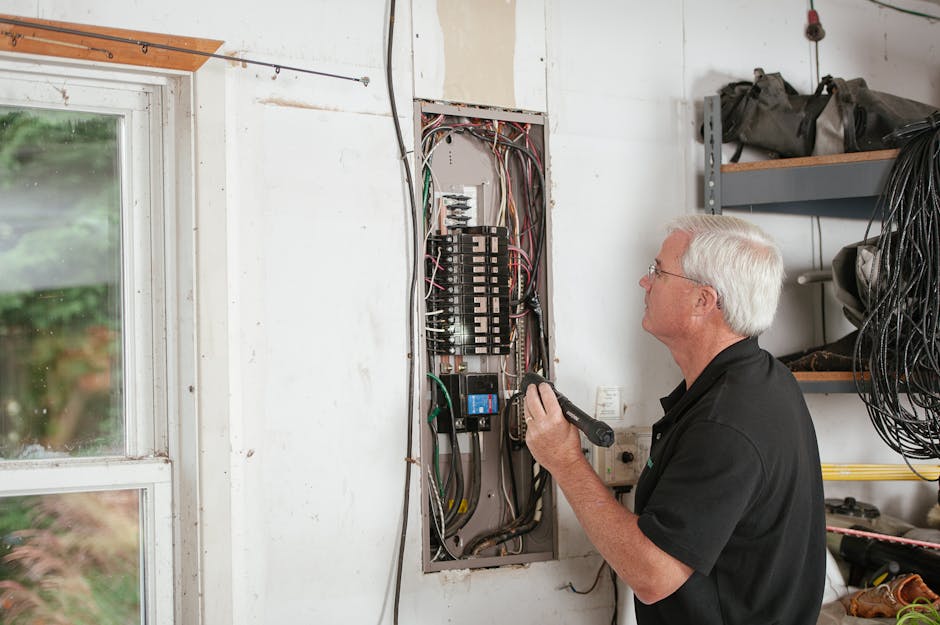
Panel Upgrade

Panel Upgrade

Replace outdated electrical panels with modern, code-compliant systems that safely handle your home's power demands and protect against electrical hazards.

When Your Panel Can't Keep Up

If your breakers trip frequently, your lights dim when appliances start, or you're still running a 60- or 100-amp service, your electrical panel isn't keeping pace with modern electrical loads. Older panels—especially Federal Pacific, Zinsco, and fuse boxes—pose real fire risks and won't pass inspection when you sell.

A panel upgrade replaces your outdated main service panel with a modern 200-amp system that distributes power safely and reliably. We pull permits, coordinate utility disconnects, install the new panel to current NEC code, and schedule the required municipal inspection. The work is done in one day for most homes.


Why Upgrade Now

Modern homes demand more power. HVAC systems, EV chargers, home offices, and kitchen appliances all draw significant current. An undersized or aging panel creates bottlenecks, trips breakers, and in the worst cases, overheats connections that can ignite.

Insurance companies and mortgage lenders often flag outdated panels. If you're refinancing, selling, or adding a major appliance or generator, the panel upgrade usually comes first.


What's Involved

We assess your current service, calculate your load requirements, and determine whether your utility service entrance needs an upgrade. Most residential upgrades move from 100-amp to 200-amp service.

The utility company disconnects power at the meter. We remove the old panel, install the new load center with modern circuit breakers, label every circuit clearly, and restore power. All work is permitted and inspected. You'll have a panel that meets code, handles your load, and gives you room to grow.


Brands and Safety

We install panels from Square D, Eaton, Siemens, and GE—brands that inspectors trust and parts suppliers stock. Every connection is torqued to spec, every wire sized correctly, every ground and neutral properly bonded.

If your home still has aluminum wiring, knob-and-tube, or ungrounded circuits, we'll flag those issues and discuss your options. A panel upgrade is often the first step in a broader electrical safety plan.

How it works
01

Load Assessment & Permit

We calculate your home's electrical demand, confirm utility service capacity, and pull the required municipal permit before any work begins.

02

Utility Coordination

We schedule the utility company to disconnect power at the meter. Your home will be without power for several hours during the installation.

03

Panel Installation

We remove the old panel, mount and wire the new load center, label all circuits, and restore power. Most residential upgrades are completed in one day.

04

Inspection & Sign-Off

The local building department inspects the installation to verify code compliance. We coordinate the inspection and provide you with the signed permit card.

Common questions
How long will my power be off?+

Expect four to eight hours without power on installation day. We coordinate with the utility for disconnect and reconnect, and we'll give you a clear timeline before we start.

Do I need to upgrade my meter or service entrance?+

Sometimes. If you're moving from 100-amp to 200-amp service and your utility feed is undersized, the utility company will need to upgrade the service drop and meter base. We coordinate that work as part of the project.

Will this work with my generator or solar system?+

Yes. We can integrate transfer switches for generators or configure the panel for solar inverter connections. Let us know your plans up front so we size and position everything correctly.

Get started — Vineland, NJ

Get it wired right, the first time.

Tell us what's going on and we'll take a look — honest assessment, upfront pricing, no obligation.

  • Free, no-pressure estimate
  • Upfront, transparent pricing
  • Workmanship warranty
Call (856) 405-7615Request Service →